
The squad
Every legendary club has its golden generation — a moment when the right people found each other at the right time and produced something that outlasted all of them. For The Club of Rome, that moment was 1972. Here is the squad that made it happen.
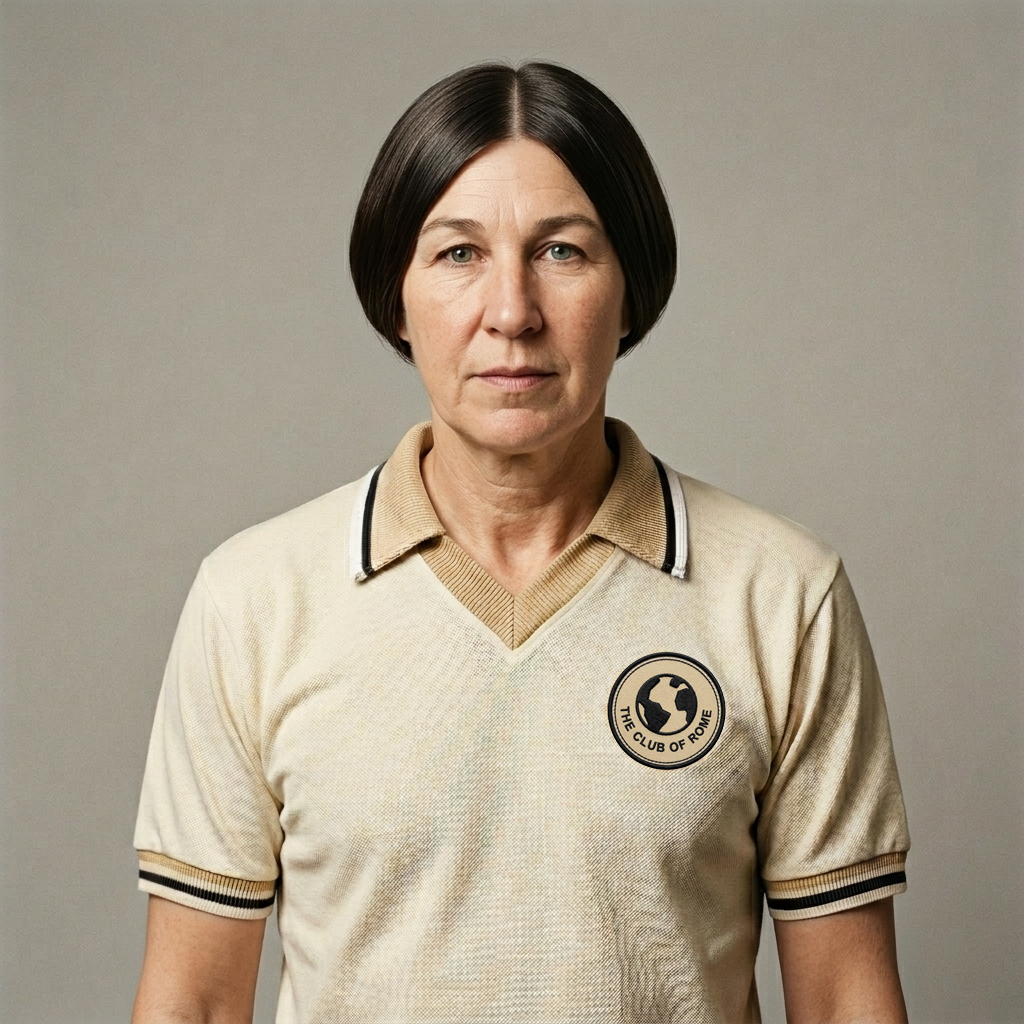
Donella H. Meadows
Born in Elgin, Illinois in 1941, Donella (Dana) H. Meadows was the kind of player who didn't just read the game — she rewrote the rules for how it was played. A biophysicist by training, a systems thinker by instinct, she captained the research team at MIT and became the lead author of The Limits to Growth.
Her vision extended far beyond the pitch: she went on to teach, farm, write a nationally syndicated column, and founded the Sustainability Institute — driven by the belief that a better world was still within reach. She wore the armband until the very end. Donella Meadows passed away in 2001, but her influence never left the field.
Captain. Lead Author.
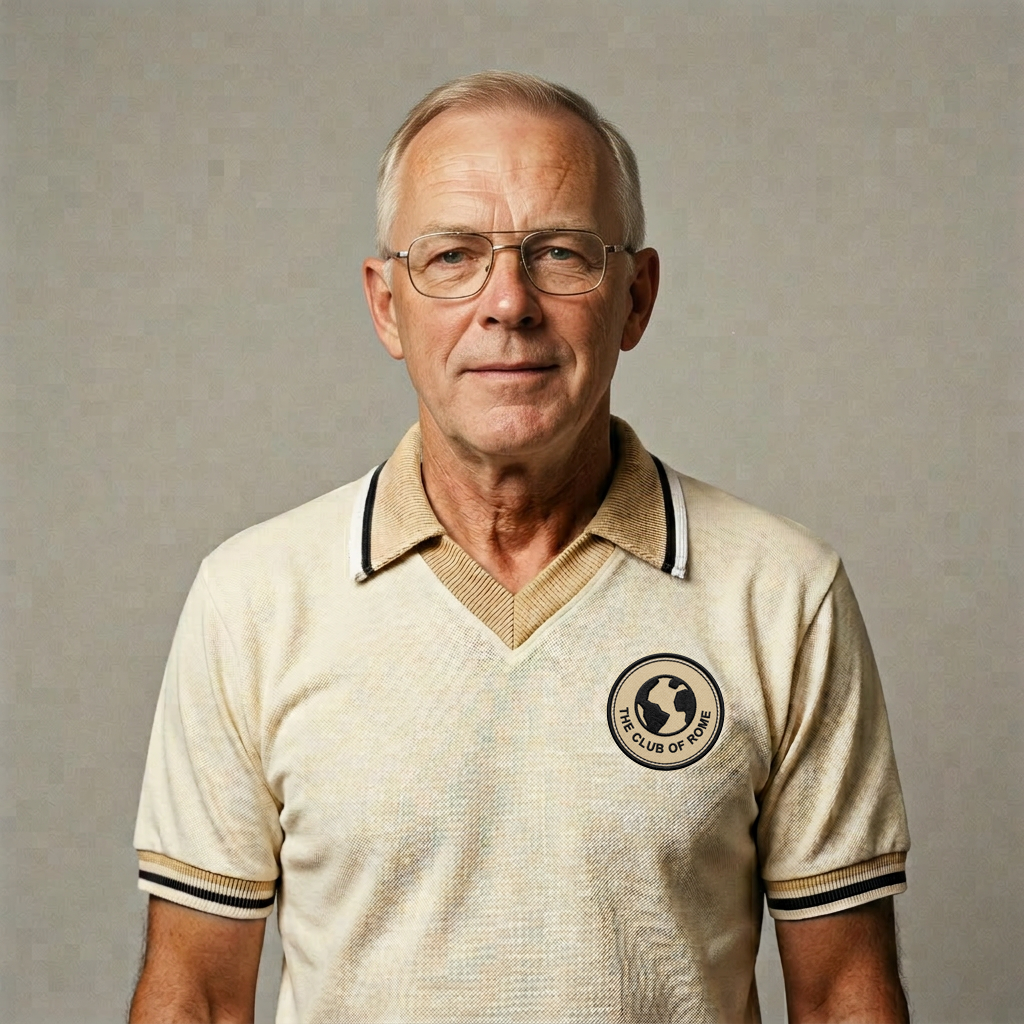
Jay W. Forrester
The Architect. Founding Father.
Before there was a squad, there was Forrester. Born in 1918 on a cattle ranch in Nebraska — where, as a teenager, he built a wind-powered electricity plant from scratch — Jay Wright Forrester spent his entire career at MIT turning impossible ideas into reality. He invented magnetic core memory, an early form of RAM that underpinned the digital computing revolution. He led Project Whirlwind, one of the first real-time digital computers ever built. And then, in the 1950s, he did something no one had thought to do before: he turned the power of computer simulation onto the messy, complex behaviour of human systems — and called it system dynamics.
By 1970 he had begun working with The Club of Rome, and his 1971 book World Dynamics handed the Meadows team the tactical blueprint they needed. Forrester didn't just help build the stadium. He invented the game. He passed away in 2016, aged 98, leaving behind a legacy that still runs through every climate model on the planet.
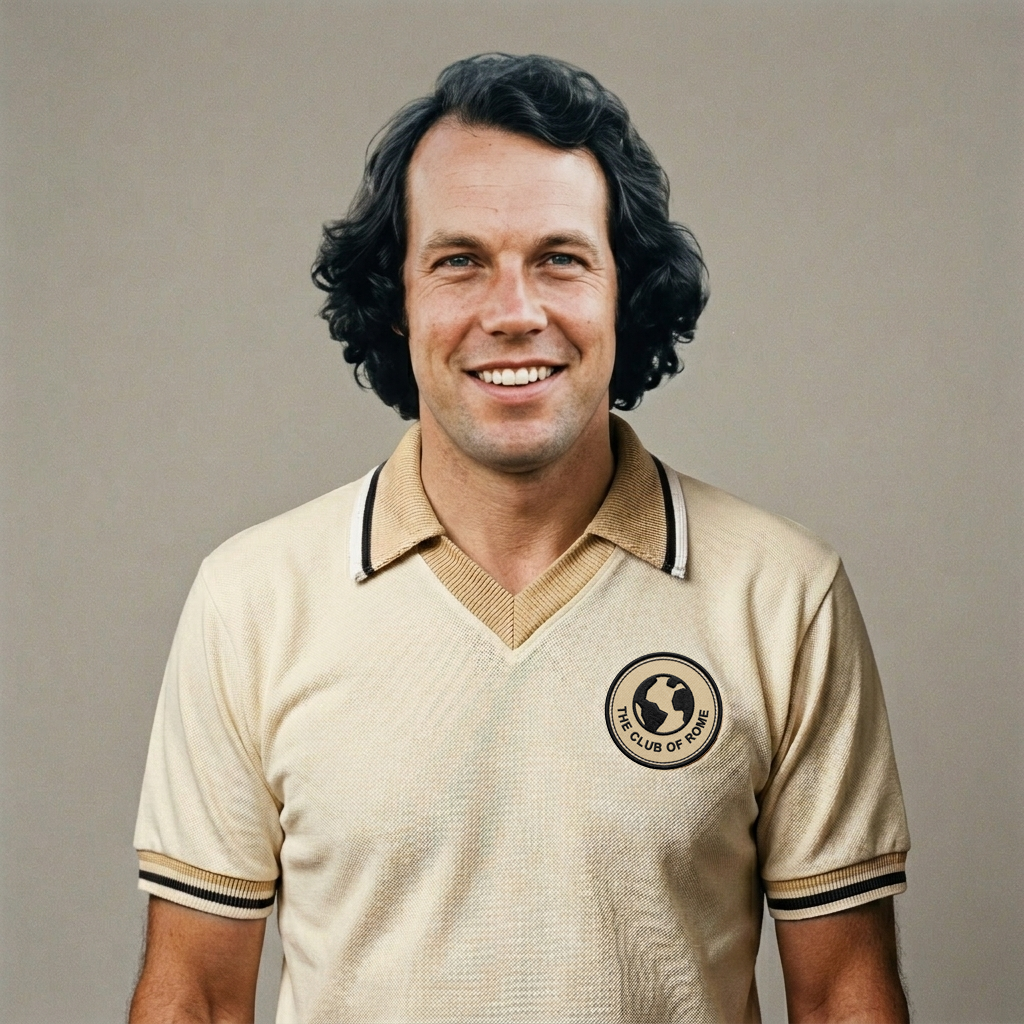
Jørgen Randers
The Import. Future Studies Specialist.
Norway's finest export to the Club of Rome, Randers joined the squad at just 27 years old — young, sharp, and already thinking decades ahead. A physicist turned management thinker, he brought an outsider's clarity to the MIT team and never stopped asking the uncomfortable questions.
After 1972 he went on to lead the WWF International, chair Norway's Commission on Low Greenhouse Gas Emissions, and publish 2052: A Global Forecast for the Next Forty Years — because for Randers, one match was never enough.
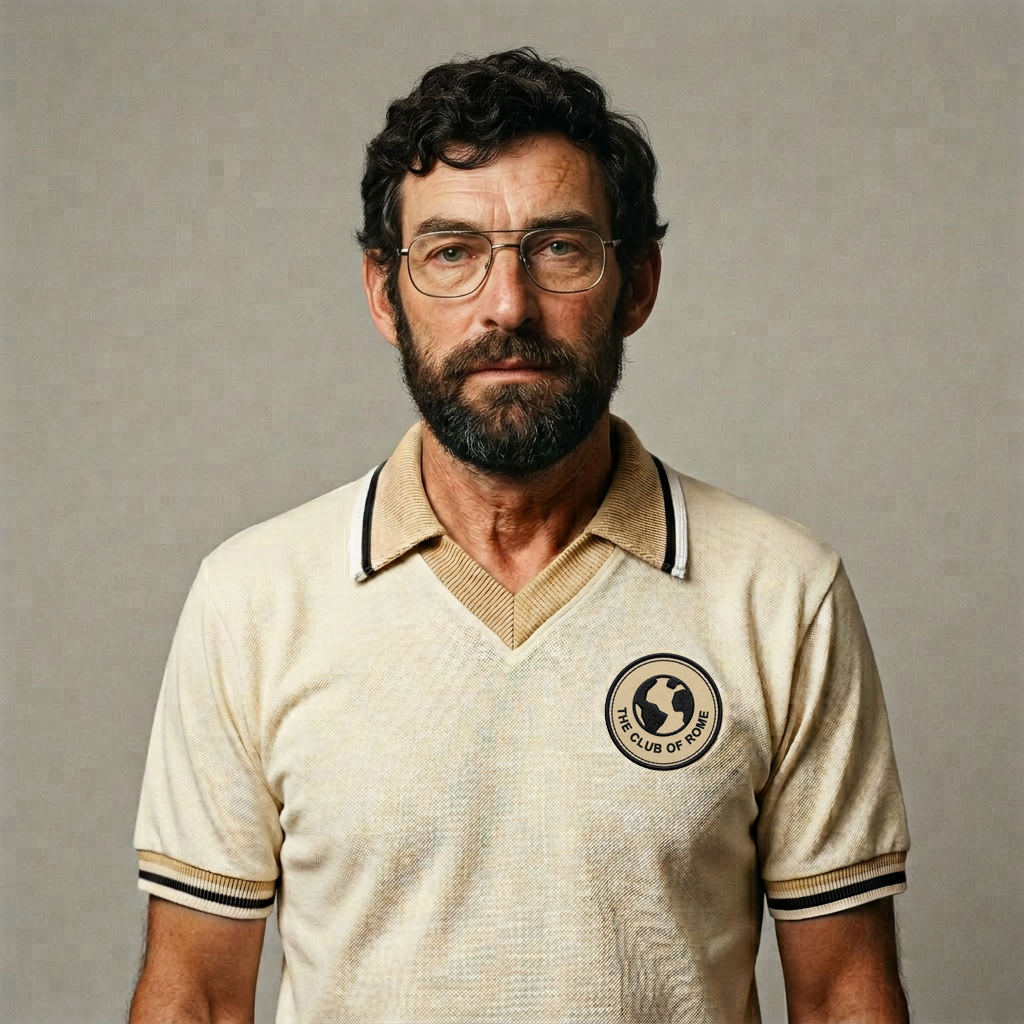
Dennis L. Meadows
Manager. Systems Architect.
If Donella was the captain, Dennis was the manager who built the system around her. Born in 1942, he directed The Club of Rome's entire research project at MIT, assembling the team, developing the World3 model, and steering one of the most consequential studies in modern history. A scientist's scientist, with a PhD in Management from MIT and four honorary doctorates, he has spent decades coaching new generations of thinkers in system dynamics and sustainability — proof that the best managers stay in the game long after the final whistle.
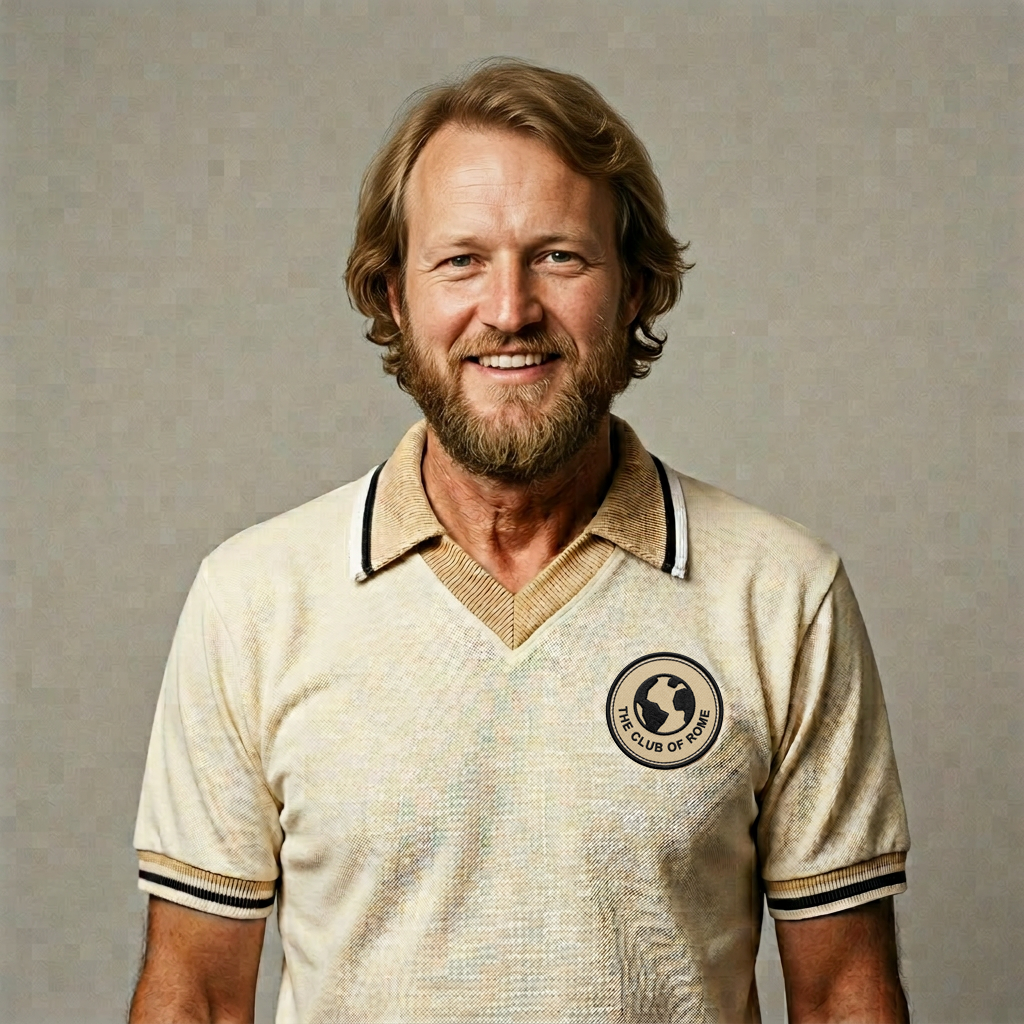
William W. Behrens III
The Specialist. Resource Dynamics.
Every great squad needs a specialist — the player who does the work nobody talks about but everyone relies on. Behrens held a double degree in Electrical Engineering and Business Management and a PhD in Environmental Economics, all from MIT, and was the team's expert on natural resource dynamics, building the simulation models that underpinned the report's most striking findings.
After 1972 he took his skills off the pitch entirely, eventually co-founding ReVision Energy in Maine — trading global computer models for rooftop solar panels, and never once stopping playing for the right side.
Founders
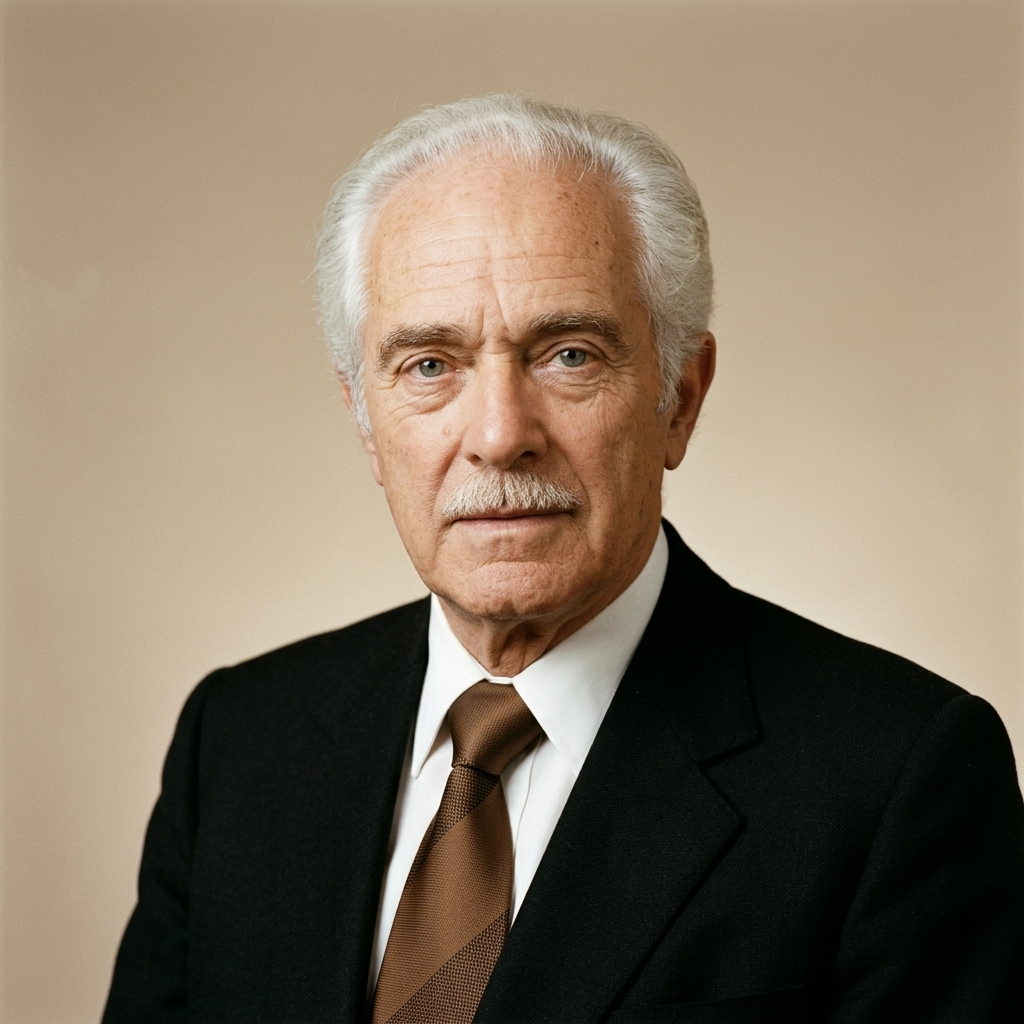
Aurelio Peccei
Chairman. Club Founder.
Every club needs someone who believes in it before anyone else does. For The Club of Rome, that man was Aurelio Peccei. Born in Turin in 1908, he was a resistance fighter, an industrialist, a visionary — and a man who had stared fascism in the face and come out the other side with an unshakeable conviction that humanity needed to think bigger and longer.
Shaped by war and post-war reconstruction, he saw how the consequences of technological expansion, inequality and environmental depletion were being ignored — and decided to do something about it.
In April 1968, he gathered around 30 European economists and scientists in Rome and from that meeting The Club of Rome was born.
He served as its first president, commissioned The Limits to Growth, and spent the rest of his life travelling the world making the case for a different future. Peccei passed away in 1984, but the club he built plays on.
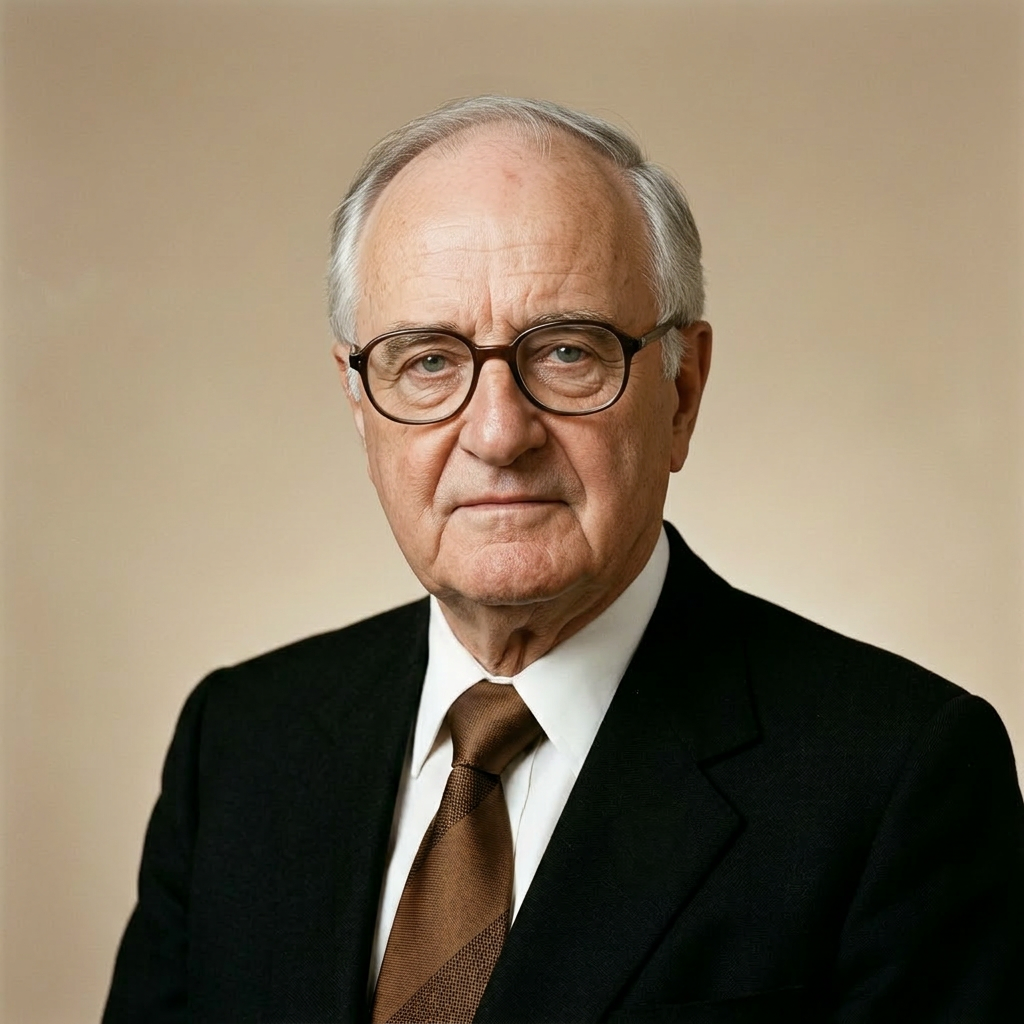
Club Director. Co-Founder.
Alexander King
If Peccei was the heart of The Club of Rome, Alexander King was its head. A British scientist described as "a cool catalyst with the golden knack of transforming ideas into action," King was working at the OECD as Director General for Scientific Affairs when, in 1966, he came across the transcript of a speech by Aurelio Peccei and the two met to discuss common interests. It was the beginning of one of the most consequential partnerships in the history of environmental thinking.
Where Peccei brought fire and moral urgency, King brought structure, scientific credibility, and a network that spanned governments and institutions across the world. After Peccei's death, King served as the Club's President from 1984 to 1990 and remained active in global sustainability thinking until his death in 2007, aged 98.
Two founders. One club. An idea that changed the game forever.